Understanding Sheet Metal Simulation for Large-Scale Gear Frames
See how sheet metal simulation helps avoid warping, strain, and delays when building large gear frames for high-load Military & Defense projects.
Large-scale gear frames are some of the most demanding parts we help produce. They can be tall, thick, and carry a heavy load once installed. These parts don’t leave much room for error. Every flange, hole, and surface needs to match drawings within tight specs. That’s why using sheet metal simulation early in the process gives us such a big edge.
When we’re working on something this complex, we can’t afford to hope it turns out right. Sheet metal simulation helps us see how the part will behave before we cut or pour anything. And when we’re supporting Military & Defense work, that added level of planning helps us hit timelines and avoid mistakes that slow things down on the floor.
What Sheet Metal Simulation Really Does
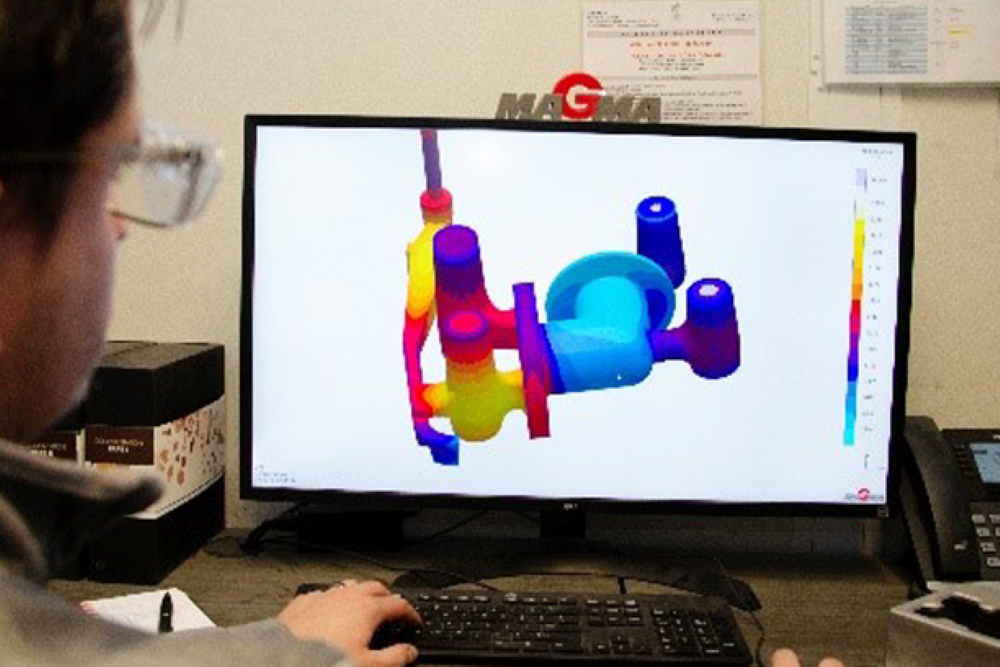
Sheet metal simulation is a digital tool we use to test how metal will shape, stretch, or shrink during forming. It models what stress will build up in a part and predicts if that stress will lead to warping, cracking, or pulling out of tolerance.
Here’s how it helps before production starts:
- We plug in shape, thickness, and force to see how the metal reshapes during forming
- It shows weak spots or areas likely to stretch too much
- We make small design changes ahead of time to adjust the flow of material or where the sheet will bend
For parts like gear frames with thicker profiles or complex bends, we can’t guess how the material will react. Running simulation ahead of time helps cut down on back-and-forth changes and tooling adjustments. It turns questions into answers before we make anything physical.
Sheet metal simulation also provides a look at the entire process from the very early stages. It allows teams to anticipate not just final shape, but also how every step along the way (from forming to secondary processes) might impact the integrity of the gear frame. This kind of knowledge makes production decisions smoother and helps avoid setbacks.
Why Gear Frames Need Stronger Planning
Gear frames aren’t simple brackets or thin panels. They’re often several inches thick, carry torque, and are expected to hold alignment under real weight. Their performance depends on how well they’re made from the start. If the base is off or the holes don’t line up, that can lead to expensive fixes during assembly or function loss in the field.
That’s why planning isn’t just helpful, it’s necessary. These parts bring a lot of unknowns that simulation helps us solve early.
- Material stretch during forming can shift the final shape enough to throw parts out of line
- Areas with too much stress might crack during cutting or welding
- Heat from casting or welding can cause shrink that makes holes or edges shift
By running sheet metal simulation, we learn how shape will change as the part forms or cools. We can factor that movement into the tooling and drawings before we make anything. That helps us build the gear frame with purpose, not guesswork. It also saves us from scrapping a big part after hours of work.
With gear frames, even a tiny movement in the metal can throw off where things need to line up. If one side gets too thin or a hole edges over, the whole piece might not fit where it’s supposed to. This is why advanced planning and early testing with simulation are a must. It saves time, keeps costs down, and helps keep large projects rolling right along.
Supporting Military & Defense Timelines with Better Prep
Military and Defense projects don’t usually run like regular builds. The work may follow set contract cycles, with orders tied to fixed delivery dates. Getting the first set of parts done right is a big step. But just as important is making sure repeat orders line up with the same fit and finish every time.
That’s where solid prep through simulation really helps.
- We use simulation to model the part exactly the same way before each run
- That lets us keep first-time builds repeatable, even months or years later
- The result reduces surprises that can delay part inspection, testing, or install
Strong prep gives everyone more time to focus on move-forward steps instead of looking back to fix what should have been caught earlier. And for Military & Defense, where approval steps are tight and lead times matter, that dependability on the front end helps keep the project rolling.
Military & Defense work often means there is little room for a second chance. Passing inspection the first time and being ready for mission-critical timing makes all the difference. Simulation removes much of the risk and helps keep confidence up every step along the way.
Simulation’s Role in Better Castings, Patterns, and Pours
Gear frames made from aluminum sand castings need more than clean lines and a solid pour. They need a casting setup that flows well, cools right, and forms without stress that can lead to strain or warp.
Sheet metal simulation supports that, even if the part isn’t formed from flat sheet. We still use it to plan how casting paths and features will behave once poured and cooled.
- We check the casting’s natural draft to make sure it exits the mold cleanly
- We use simulation results to adjust the gating setup, pouring locations, and cooling times
- We spot early signs of shrink lines, internal hot spots, or shape warp ahead of real pouring
Every gear frame casting is slightly different, but simulation helps spot the trouble zones that could lead to rework. We can dial in how we design cores, where we add risers, and how fast to cool the metal for the most stable part. The more information we have early, the smarter each casting will be.
The overall benefit is less rework, better alignment, and higher part consistency across long contract runs. When a gear frame is needed on a tight schedule, those time gains from early prep often make all the difference.
Better Planning Leads to Smarter Builds
Getting large gear frames right takes more than a solid mold or a good machine. It takes smart engineering up front. From shaping to casting, sheet metal simulation lets us see the risks early and plan our way around them. That saves us time, material, and stress when the job hits production.
Military builds come with pressure, short timelines, specific standards, and no room for backtracking. By running digital trials before real tools touch metal, we make every step forward count. That’s how parts stay accurate, jobs stay on schedule, and gear frames arrive ready to be installed.
Simulation gives every team, engineering, quality, production, and finishing, a common starting point. Everyone works from the same real-world preview, not old habits or guesses. It becomes much simpler to avoid changes halfway through, meet drawing specs, and fit parts together smoothly at the end. Even with all the pressures of Military & Defense work, this planning keeps things moving and reduces stress all around.
Planning up front helps us avoid the guesswork that slows things down later, especially on Defense jobs where timelines don’t budge. That’s why we run early models, check geometry, and use tools like sheet metal simulation to see shape and stress ahead of time. It gives us a clearer path from raw part to final fit with fewer surprises and stronger repeatability over long production runs. At BQC Foundry, we use smart prep to build confidence into every cast. Ready to plan sharper and deliver on spec? Contact us today.