Blog > [post_title]
Everything to Know About Running an Aluminum Foundry At Scale
Learn how a responsive aluminum foundry keeps quality high and orders on time, even when jobs get bigger and timelines get tighter.
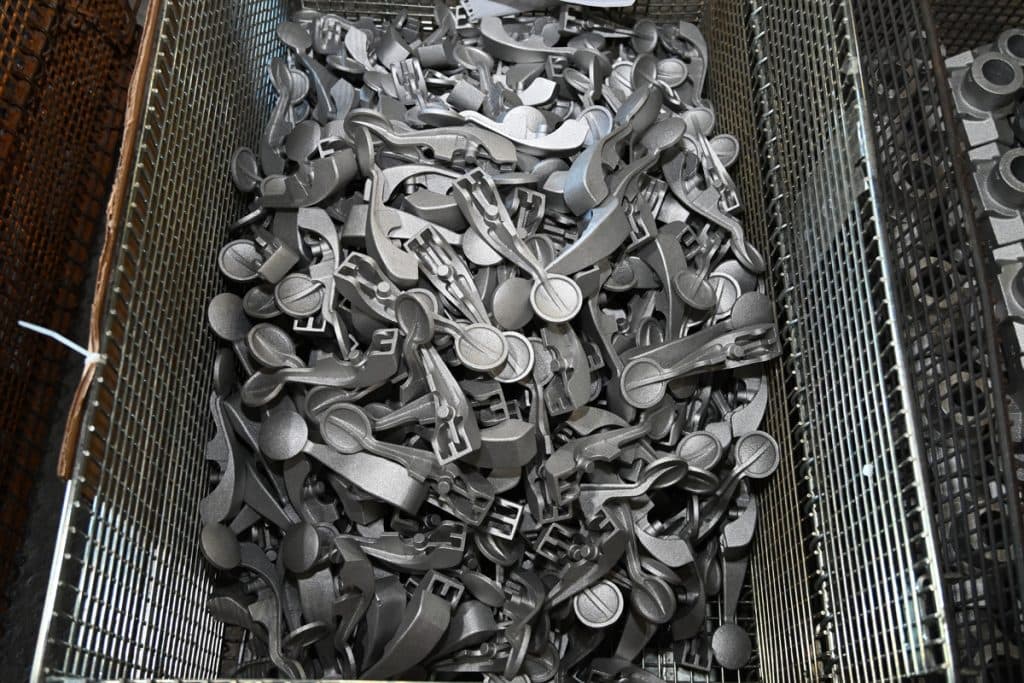
Running an aluminum foundry isn’t just about pouring metal into molds. When the jobs get bigger and parts need to stay on schedule, it takes more thought and care to keep everything moving. Scaling up means more orders, tighter delivery windows, and higher expectations. And none of that works if the quality drops.
The real challenge is doing more without causing more problems. That’s where experience, planning, and the right tools come into play. A busy aluminum foundry has to balance speed with accuracy, and that’s easier said than done. But when the process is steady and the layout supports the workflow, large orders don’t have to mean late shipments or flawed parts.
What “Running at Scale” Really Means
When production ramps up, things get more complex. Moving from one-off or small-batch jobs into high-capacity casting doesn’t just mean making more. It means adjusting how things are done across the shop.
- Bigger workloads need more than machines. Workflow, tooling, and time management all have to shift to avoid traffic jams during peak hours.
- Foundry floors that work well at small scale may need different layouts when volume spikes. Space management becomes just as important as the actual equipment.
- Each job may still be custom, but scaling requires systems that can flex across industries like oil and gas or automotive without losing track of specs or timelines.
When we scale up, we’re not just saying “yes” to more work. We’re shifting how the shop runs so every part still gets full attention without slowing the rest of the line.
Keeping Quality High When Volume Increases
One of the biggest risks of scaling is losing consistency. The more parts you pour, the easier it is for small problems to sneak in.
- Better patterns and tooling help keep defect rates low, even when the molds are running all day. Well-maintained equipment, cleaned between batches, makes a big difference too.
- We lean on real-time checks and sensors to spot shifts in the casting process before they cause scrap. Monitoring lets us adjust during production, not after.
- Our engineers help plan ahead so castings behave the way they should when they cool. Each part starts with a drawing, but it’s the fine tuning that keeps walls even, joints strong, and holes clean.
Making more only works if the quality stays where it needs to be. That’s why we spend just as much time on prep and verification as we do on pour and cleanup.
At BQC Foundry, we offer dedicated manufacturing, molding, and pattern shop services that help control every step of the process from concept to casting. Our in-house pattern shop allows for quick modifications and better quality oversight as demand grows.
How Planning Helps Orders Stay On Time
Meeting deadlines at scale takes more than just working fast. It’s about knowing how long things take and planning backward from the delivery date.
- Lead times matter. Early communication with buyers and suppliers helps avoid supply gaps, whether that’s raw material or tooling changes.
- Starting with a clear schedule for melting, molding, and post-processing keeps us on track. It allows time to solve issues before they slow bigger runs.
- Planning 3 or 4 jobs ahead, instead of working one at a time, keeps the shop more balanced. It also gives us space to fix hiccups without bumping other parts out of order.
Late orders affect everybody down the line. Solid planning lets us avoid that, even when winter makes logistics more unpredictable.
We use CAD and simulation tools to map out the production path, supporting on-time orders even when requirements shift or volume jumps.
Why Foundry Layout and Equipment Matter
The way a foundry is set up shapes how well it runs when things get busy. Workflow isn’t just about the people, it’s about how tools and stations connect.
- Tight layouts with clear paths reduce wasted time moving molds, tools, or materials.
- Ventilation and heat control become more important during high-volume periods, especially when multiple pours are happening close together.
- Specialized gear for cold joints or deep cores makes it easier to meet shape requirements for parts used in heavy jobs, like those in drilling gear or outdoor gearboxes.
Space, machines, and movement all work together. A smart layout turns ten-person jobs into five-person routines by removing extra steps and shifting repeat tasks to auto systems.
The Role of Experience in a Busy Foundry
More production means more chances for something to go wrong. That’s where experience makes the biggest difference.
- Trained crews know what to watch for. A part might fit the mold but still cool too fast or trap a pocket of gas. Catching that early keeps fixes small.
- We solve small problems before they become big ones. It’s usually a timing tweak, a heat shift, or a change in pour angle that stops a bad part before it forms.
- You can’t fake time in this work. It’s the little lessons that make a big difference when things get hectic, where to position vents, how to handle chill spots, the best break points between jobs.
Experienced foundry workers understand what production looks like when everything goes right and when it doesn’t. That know-how keeps high-volume runs from getting derailed.
Built to Handle Bigger Workloads
Running at scale means we don’t just cast more parts, we cast smarter. Our parts still pass the same checks, but we now do it on tighter timelines with more going on at once.
Planning ties everything together. It’s not enough to have machines or to hire more help. Each part of the foundry, equipment, layout, engineering, and crew, has to work in sync to stay steady under volume.
Scaling only works if nothing falls apart mid-run. Every cast, no matter how big the batch, has to hold shape, strength, and schedule. When all parts of the process are tuned for it, bigger doesn’t have to mean harder. It can just mean better.
When your production line needs to scale quickly without sacrificing quality, we’re prepared to handle the challenge. Keeping projects on schedule and meeting tight specifications takes more than just the right equipment. It calls for experience, careful planning, and proven systems working together. Whether you supply parts for machinery or larger builds, a responsive aluminum foundry makes all the difference. BQC Foundry is ready to help you plan ahead and avoid delays. Let’s discuss your upcoming projects.