Why Aluminum Sand Casting Creates Trouble in Medical Tools
See how aluminum sand casting can fall short on surface, shape, and purity when making medical tools that need accuracy, strength, and clean finishes.
When it comes to medical tools, there isn’t much room for error. These parts need to be clean, smooth, and precise to work the way they should. Even the smallest defect or off-center edge can cause issues once a tool is put to use.
Aluminum sand casting works well for many kinds of industrial parts. But for medical uses, it can bring up problems if not handled carefully. Medical tools often demand a level of accuracy and surface quality that standard casting might not fully meet without extra steps. That does not mean aluminum sand casting cannot be used for these parts. It just means we need to pay closer attention to the way it is planned and carried out.
What Medical Tools Need That Many Castings Can’t Always Deliver
Medical parts are held to a tighter standard than most. Their shapes have to be exact. Their performance needs to stay the same, whether they are used once or one hundred times. That kind of performance means the casting has to be right from the start.
- Tight tolerances matter. Medical tools might be small, but their jobs are big. If holes, grooves, or flat surfaces shift even slightly during casting, the part might not fit or function as planned.
- A smooth outside finish is not just about looks. It helps with sterilization and safety. Rough surfaces from casting can hold on to debris or make cleaning harder.
- Small flaws can grow into bigger problems. If a part is not the correct shape or has a weak spot, it can break or fail during use, which affects reliability and safety.
In short, these parts demand precision casting, not just rough shape creation. That is why processes have to adjust around the end use.
The Trouble with Surface Quality and Clean Edges
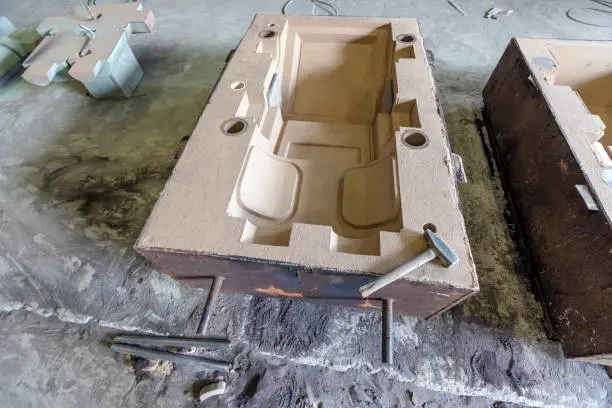
Sand casting works by pressing patterns into sand to create molds. The method is flexible and good for shaping complex parts, but it does leave behind textures that stand out more in high-cleanliness parts like medical tools.
- The surface of a sand-cast part often needs more finishing. That can mean grinding, machining, or polishing before it reaches a clean, sealed surface.
- Sharp lines and fine edges are harder to hold during sand casting. Some of these finer features blur during metal flow or mold removal.
- Burrs and extra material may form at parting lines or gating points, which all need to be removed cleanly.
Medical builds cannot have rough surfaces or edges that might catch, stick, or wear down too early. Those extra finishing steps can be built in, but they need to be part of the plan early on.
Keeping Up with High Purity and Cleanliness Requirements
Cleanliness goes beyond just the outside. On the inside, the metal itself has to be pure and consistent. Anything left behind in the melt or trapped in the process can create a weak point.
- Gas porosity and inclusions sometimes happen during standard aluminum sand casting. If air gets trapped or particles get pulled in, the metal can become less solid.
- For medical-grade parts, these inner flaws are a serious concern. They cannot be seen with the eye, but they can create stress points or pinholes where bacteria hide.
- Keeping each melt clean and managing mold prep limits the chances of these flaws. That includes careful filtering, steady cooling, and properly prepped molds.
Consistency across every part in the run makes a big difference. One weak part in a batch can slow the whole job down or call everything into question, especially in high-safety fields like medicine.
How Engineering Choices Affect the Final Result
Some of these risks can be avoided before the first pour happens. Good results usually come from strong work upfront.
- Mold layout makes or breaks the poured shape. Gate location, vent paths, and chill spots all help shape the part and lower risk of shrinkage or air bubbles.
- Choosing the right aluminum alloy matters, especially when based on what the tool has to do once it is in use.
- Final part shape might need small tweaks before casting. Some features that are tricky in sand can be made simpler, then finished later without hurting the tool’s function.
With medical tools, these early steps are not optional. They help shape every decision that follows, right down to how the part is tested and packed.
When Speed and Volume Make Things Harder
Medical projects sometimes need fast turnarounds. But shorter lead times can stress a casting process that is already pushing its limits.
- As more parts are poured at once, each step has to stay controlled. Rushing one pour or skipping a check can cause missed defects that only show up later.
- Large-volume runs bring repeatability challenges. Even if most of the run looks fine, one or two bad pours can cause big problems once tools are in the field.
- Medical tools usually do not get second chances. If they break or fail during testing, it is not enough to just recast and ship. The whole run gets reviewed again, which delays timelines.
Speed is never a reason to skip steps. Projects that need to move fast just need better scheduling and planning ahead, especially for parts used so close to patient care.
Safe and Ready Starts with the Right Casting Plan
Even though sand casting brings some extra steps for medical jobs, that does not mean it is not a fit. With the right planning, it can still produce parts that meet high standards.
What matters is staying alert to weak points. Surface texture, shrink risk, and casting shape shifts all need to be controlled every step of the way. Medical tools are not just solid parts, they are trusted ones. That trust starts long before the first tool is poured and grows with every clean, properly shaped part delivered on schedule.
Medical parts need more than just shape; they require tight tolerances, clean finishes, and materials you can trust every time. At BQC Foundry, our approach centers on these priorities as we collaborate closely with our engineers and production team to make sure every step produces dependable results. When it comes to aluminum sand casting for medical tools, we plan ahead to avoid any unexpected challenges and always stay within requirements. The right casting strategy saves valuable time and keeps quality right where it belongs. For precision parts that demand on-time delivery and reliable performance, let’s talk about how we can support your next project.