How an Aluminum Sand Casting Foundry Supports Industrial Growth
See how aluminum sand casting manufacturers handle big orders fast while keeping strong part quality, steady timelines, and smart engineering steps.
Fast-growing order volumes can catch any shop off guard. For aluminum sand casting manufacturers, speed alone isn’t enough. Buyers expect parts that stay consistent under pressure, and they still need deliveries on schedule. Quality doesn’t get a pass just because demand went up.
When jobs scale fast, keeping that balance between volume and reliability takes smart prep and strong processes. We’re always ready to move quickly, but never at the cost of the part itself. Here’s how we prepare when things pick up faster than usual. Meeting quick turnarounds and high standards requires attention across each step, all while making adjustments to flow as more units are required.
Planning Ahead for Big Orders
Spikes in demand aren’t always a surprise. We build flexibility into our schedules so we can adapt without scrambling.
• Tools and patterns are stocked and stored with repeatability in mind, so we can get moving quicker when volume increases.
• Jobs that might scale over time are reviewed early, especially with buyers who plan out seasonal or recurring orders.
• Communication helps hold it all together. Our sales, engineering, and production teams stay connected so everyone stays aligned as scope changes.
Planning isn’t just about having backup material or an extra shift on standby. It’s about being ready to say yes and still deliver on the details. Adding spare molds, keeping patterns in tip-top shape, and knowing when to schedule deliveries in waves all support smoother growth when projects expand. That way, even if there’s a surprise spike in demand, we don’t need to rush or cut corners.
Boosting Capacity Without Losing Quality
No part benefits from a rushed process. Scaling work means increasing our flow, but without opening the door to casting issues.
• We rely on repeatable steps and proven patterns that hold up under frequent reuse. The more we can control each input, the better the outcome.
• Supervision increases when things get fast. We use more checkpoints up front, and tighter inspection down the line to stop problems before they become delays.
• Mold and core systems are double-checked for consistency. No matter how many parts we run, the structure stays the same so the end product does too.
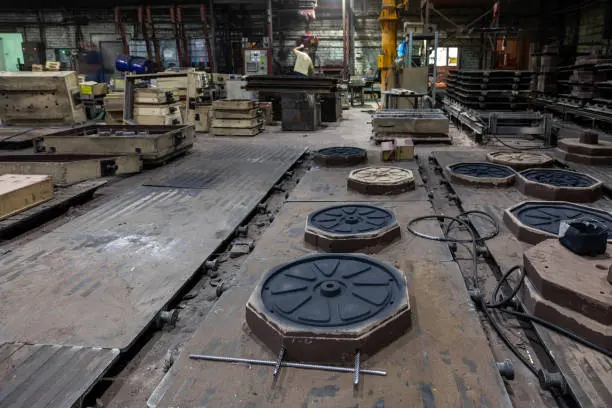
BQC Foundry boosts foundry capacity with flexible molding and custom core making, supporting a wide range of project sizes and timelines. With in-house pattern making and cleaning capabilities, each order gets attention from start to finish.
More units shouldn’t mean more mistakes. That’s why quality checks stay in place and don’t move, even if everything else speeds up. Our core processes don’t change, but we might add supervision rounds, extra sets of eyes, or double-check tools and sand mixes more regularly during a high-volume period. Attention at each stage means as the number of castings grows, the failure rates don’t.
Engineering the Right Way from the Start
The best way to keep high-volume work on track is by solving avoidable problems before we pour the first part.
• Solid design work early on makes it easier to repeat success down the line. We lean on simulation to show how castings will cool and where risks might show up.
• Choosing the right aluminum alloy, especially for repeat runs, helps us keep shape, strength, and surface detail in line across batches.
• Finishing work matters more when you scale. If a part needs trimming, smoothing, or machining later, we plan for that before work starts to avoid late-stage surprises.
Strong engineering shapes everything that follows. That planning mindset helps keep production flowing when part counts start stacking up. A thorough review at the engineering stage allows teams to catch challenges and solve them ahead of time. Problems like uneven shrinkage or surface flaws show up faster under simulation, giving a chance to fix before the volume ramps.
At BQC Foundry, our CAD and simulation tools let us spot areas that need tighter control, making adjustments before large-scale production begins. Knowing how a design will behave as conditions speed up also helps lead to fewer last-minute delays or rejected parts.
Staying On Schedule When Timelines Shrink
Bigger orders bring tighter turnarounds. Late-season contracts, short winter builds, or last-minute stock ups can push shops into overtime. But schedule stress doesn’t mean cutting corners.
• Melt times and mold cycles are watched closely. We adjust the pacing to stay quick without overheating operations or skipping important hold times.
• We batch jobs smartly so molds, cores, and post-processing can flow with fewer stops and smoother handoffs.
• Real-time tracking plays a big role when throughput jumps. Having eyes on each step makes it easier to catch slowdowns and pivot fast.
When time gets tight, details still matter. We’d rather plan ahead than chase problems mid-run. Keeping upfront scheduling open and using digital tracking tools means quality and delivery date can both stay on target. If a job moves ahead of pace or sees an unexpected delay, quick adjustments are possible when every production stage is visible in real time.
Another benefit to close tracking is the insight it brings for the next scaling job. Teams can look back at what created the most delays, adjust prep for next time, and share notes to help every department keep pace during growth. This turns each big project into another lesson that helps future scaling feel more manageable.
What Long-Term Buyers Can Expect from a Reliable Foundry
Customers who come back year after year often bring bigger orders with them. When they do, they’re trusting us not just with the castings, but with the on-time delivery and quality that keeps their own work moving.
• Buyers benefit when we’re built for growth. That means flexible operations, a stable workforce, and equipment that can keep pace when volumes change.
• Trust sticks when quality doesn’t drop. That’s how long-term relationships form: consistent work, even through busy seasons.
• When placing larger or frequent orders, look for aluminum sand casting manufacturers that build strong communication streams and watch the small stuff. Being ready to scale and still care about surface quality, weld points, or part weight makes a big difference.
We don’t just want to fill big orders. We want to make sure those castings are right, no matter how many are needed. We also look at how repeat buyers’ demands can shift and adapt our processes so returns and last-minute changes aren’t disruptive. Helping customers feel confident about growth supports everyone’s long-term plans, making future scaling even smoother.
Steady Hands Through the Rush
When demand changes quickly, some shops focus on speed. We focus on how to keep up without losing track of the things that make a part dependable. From pouring to finishing, each step has to scale the right way.
Lead times shift, buyers adjust, and projects grow. That’s normal. What matters is how well we’ve built our process upfront. Smooth scaling isn’t just possible, it’s expected. When every casting matters, being steady through a rush is something our partners count on.
When you’re working with larger quantities and faster timelines, it helps to have a partner who knows how to grow capacity without losing focus on quality. We’ve built our process around the things that help scale smoothly, repeatable casting steps, solid communication, and tight engineering workflows. Whether you’re planning seasonal increases or shifting to high-volume builds, we know how to stay on track without cutting corners. For aluminum sand casting manufacturers that can handle the rush and still deliver reliable parts, let’s talk about what you need. Contact BQC Foundry to get started.