A Simple Guide to Core Production for Electric Vehicle Parts
Learn how strong core production supports clean shapes, fewer defects, and better casting results in electric vehicle parts, even in winter conditions.
Electric vehicles depend on parts that are both light and strong. A big part of making those cast aluminum parts work the right way comes down to how we shape what’s on the inside. That’s where good core production matters.
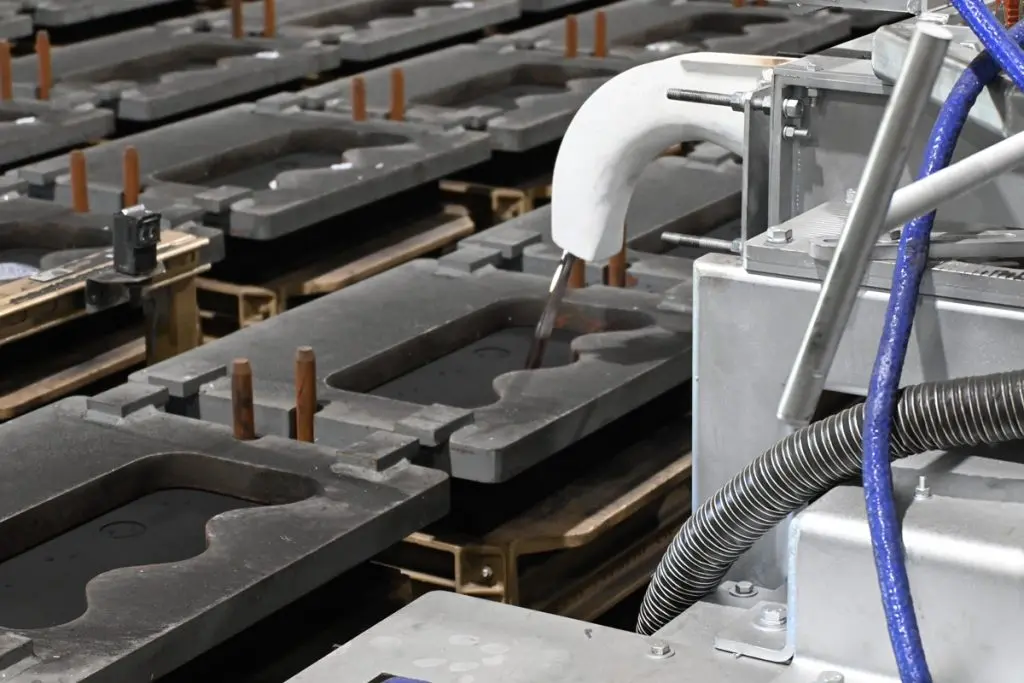
Cores create shapes in places regular molds can’t reach. They form the empty paths, curves, and hollow spaces that make room for wires, housing, and heat to move around. Those shapes need to be right every time, especially in a high-performance market like electric vehicles. Making good parts during cold winter months, like February, calls for extra attention to how those cores are made and handled. Moisture, temperature, and timing play a larger role than many think.
We’re breaking down how core work impacts part strength, how winter shifts change the process, and what smart buyers should ask if they want their EV parts to last.
What Cores Do in Aluminum Casting for EVs
Cores are the unsung part of a casting. They don’t stay in the final part, but the shape they leave behind does. When you’re working with tight spaces or parts that need to carry wires, fluids, or heat, those inside shapes really matter.
- Cores are placed inside a mold before the aluminum gets poured. Once the metal cools, the core is removed, leaving behind a chamber or channel inside the part.
- In EV casting, these channels carry wiring, help with battery cooling, or create mounting voids for parts that need to connect later. That work has to be accurate.
- If a core shifts during casting or breaks during removal, that part may need to be scrapped. Flaws like that can’t always be fixed after the fact.
So while the core doesn’t stay in the finished product, it directly shapes how the product works. Without well-made cores, parts may fail testing or fit poorly in final builds.
How Core Production Affects Part Strength and Reliability
Core production isn’t just about getting the shape right. It affects the part’s quality from the inside out. Small mistakes can lead to big casting problems later that aren’t easy to catch at first glance.
- If a core isn’t strong enough to hold its shape when metal is poured around it, the final casting may have thin walls, cracks, or sagging spots.
- Cores made with weak spots or small air pockets can collapse under heat or pressure, leaving behind voids that jeopardize part strength.
- Reliable core results come from steady steps: mixing, curing, checking strength, and making sure every core fits exactly where it should before the mold closes.
When production ramps up, it’s tempting to move fast. But with core work, skipping checks or rushing bake times leads to errors that show up too late. A casting might look fine from the outside but fail when the inside doesn’t meet specs.
Adjusting Core Processes for Winter Conditions
Winter shifts more than just the shop floor feels. In February, dropping temps and dry air change how we handle materials, heat sources, and cure times across the board.
- Colder temps slow moisture evaporation, which can affect how the mix dries and hardens. That matters when using binders or sand sets that rely on time and temperature.
- Foundries often adjust bake times, pre-heat tools, and monitor humidity levels more often in colder months. A core that feels “done” in summer may need longer in winter.
- Even the way sand or chemicals are stored becomes more important. Materials brought in from a cold truck or shed may take extra time to normalize, or they could throw off balance in the first few batches.
Closely watching conditions during seasonal changes keeps production steady. February is a time when materials behave differently, and we adjust for that to keep our molds and cores running like they should, no matter what’s happening outside the shop walls.
What Engineers and Buyers Should Ask About Cores
It’s easy for core work to blend into the background of a casting job. But when parts need to meet higher standards or work under load, that core quality can’t be ignored. Buyers and engineers can get better results by asking a few key questions up front.
- How does the foundry check core strength and alignment before casting starts? This matters for thin-wall parts or channels that need to be centered.
- Are curing temperatures, bake times, and material mixes tracked from batch to batch? If not, consistency may slip when order volumes go up.
- What steps are in place to handle cores for large runs? If hundreds or thousands of parts are going out, one weak link in core production can affect the whole batch.
- Does the foundry use inspection steps like pressure or X-ray checks for internal voids? A good process makes inspection easier and more meaningful.
Being curious about core practices isn’t overthinking. It’s a smart way to make sure the finished part isn’t carrying hidden defects just because the inside wasn’t built right from the start.
Built Right from the Inside Out
We’ve learned that the parts that “just work” on the outside usually have tight controls backing them up on the inside. That means stable core builds, no short cuts, and careful tracking from first mix to final pour. Now that more electric vehicle projects are picking up again in early spring, this is the moment when steady processes matter most.
Good core production doesn’t take the spotlight, but it makes a lasting difference. It supports the kind of clean shapes and solid surfaces that EV parts depend on. When buyers care about fewer rejects, smoother fits, and faster assemblies, paying attention to core work is one of the smartest steps they can take.
Durable, high-performance EV parts start with attention to detail at every step of the process. The way we manage heat, sand mix, and timing during core production shapes each part’s reliability long before the final pour. At BQC Foundry, we focus on the small steps that minimize defects and deliver consistent results, even in colder months, so your parts arrive ready to perform. Ready to discuss your next project? Contact us today.