Troubleshooting Custom Metal Casting Mistakes in Defense Gear
Late-winter shifts can impact part quality. Learn how to reduce defects in defense gear through better process control and smart custom metal casting.
Defense gear doesn’t get a second chance in the field. What we cast needs to perform right the first time, every time. That’s why spotting and fixing issues early in the production process is so important. When it comes to custom metal casting, small variations in temperature, mold alignment, or sand quality can turn into big problems later.
In late winter, even slight changes in shop conditions can have an impact. Cold concrete floors, dry air, and shifting humidity can affect how materials mix and cure. If quality checks slip or process steps aren’t followed just right, casting problems might show up late, after parts are already shipped or installed. That’s why this time of year, we watch the details extra closely.
What Can Go Wrong Inside the Mold
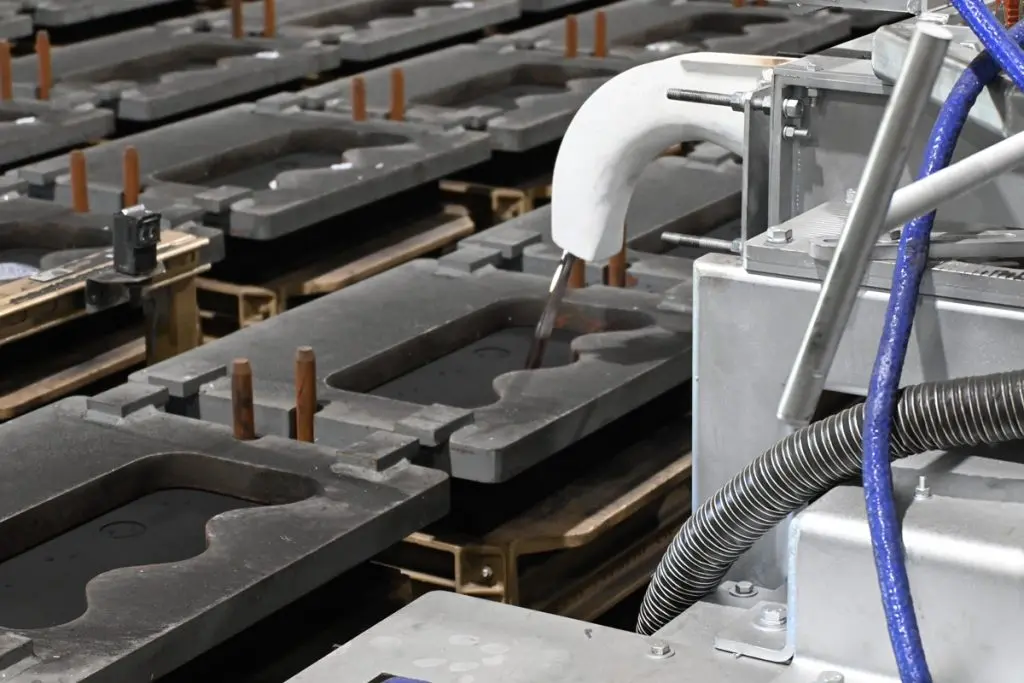
The mold stage should set the part up for success, but that doesn’t always happen. Missteps here can build in problems that surface when it’s already too late to fix.
- When two mold halves don’t align just right, the part can end up misshaped or with extra flashing.
- If sand strength is off or cores are set wrong, they might shift during the pour and make the part weak where it needs to be strong.
- Sometimes metal doesn’t fill evenly or cools too fast in one spot. That can cause air pockets, cracks, or uneven surfaces we have to grind or scrap.
Each of these problems doesn’t just affect appearance, they can change how the part performs under load. And in military or defense work, the standard is always higher.
When Tough Specs Meet Casting Limits
Defense-grade parts aren’t forgiving. Thin walls and tight specs leave less room for anything to shift. Surface flaws, porosity, or unbalanced shrinkage might seem small in early checks but cause failure when stress is applied.
Late winter adds another layer of challenge. The shop may feel colder, but humidity might still swing as heaters kick on or air dries out. That can mess with how binders and sands behave. When working with custom metal casting for defense work, we need everything from the mold to the mix to stay consistent across batches.
Even with early inspection, it’s possible for shrinkage or internal voids to hide inside a part. Unless we keep material prep and tool performance rock-steady, those high-spec walls might not stay within tolerance. That’s why process control matters so much. Defense parts don’t give much margin for error.
Spotting and Fixing Mistakes Before It’s Too Late
The best time to catch a mistake is before it becomes a finished part. That’s why checks don’t stop at one point, they happen again and again along the way.
- We inspect before the pour to confirm mold quality and verify core placement.
- Once the casting is done, we look again. That includes checking surface finish, wall thickness, and early signs of distortion.
- After machining, we run final checks to see if tolerances held and if anything changed inside from heat or stress.
Patterns matter too. If the same issue pops up across several parts, it can point back to tool wear, aging sand, or a shift in material storage. Sometimes the mold is fine, but the sand has absorbed too much moisture or sat too long. That’s where good records help to connect the dots.
None of this works if the process only runs in the background. Quality isn’t about one step doing its job once. It’s about several steps working all the time, especially when something’s changed.
Adjusting for Late-Winter Production Risks
February always makes things interesting in the shop. It’s colder, but not the same kind of cold every day. That back-and-forth messes with mix times and how long heat treatments take to set up right.
- When it’s extra cold, core binders may not cure as fast, which leaves shapes more fragile when metal is poured around them.
- Preheat times change depending on how long metal sits or how far sand has traveled. Even warehouse temps nudge curing a few minutes this way or that.
- Heating systems might take longer to kick in or cool down unevenly. That kind of inconsistency brings a higher risk of cracking or distortion.
To stay on track, we plan around this. We track curing temps more often, check batch conditions tighter, and adjust bake times when needed. These aren’t big changes, but they keep defects down and help orders stay on time. With more defense jobs sliding from quotes to full runs in spring, keeping quality sharp through winter gets those projects off to a strong start.
Keep Performance Where It Belongs: In the Field, Not the Scrap Bin
The best parts don’t need second chances. They install fast, fit cleanly, and hold up under pressure. But getting there takes more than just good luck at the mold. It begins with steady mixes, aligned cores, and heat cycles that adjust to the season, not fight it.
Mistakes in winter sometimes show up weeks later, when the climate is fine but the casting isn’t. That’s why we don’t assume processes from last summer will work the same in February. We look at data, get ahead of curing delays, and keep a close eye on how each step is reacting to colder temps.
As larger defense orders start moving toward production in early spring, now is when the groundwork gets set. By catching issues early and adjusting with purpose, we help those parts do what they need to: perform reliably when it matters most.
At BQC Foundry, we understand the importance of precision, especially when defense components must perform reliably in demanding conditions. Every part of our process focuses on thorough quality checks, clear communication, and rapid response to changing needs. For fewer defects and consistent results on your next defense project, our approach to custom metal casting is engineered for top performance. Let’s discuss your goals, lead times, or project requirements. Reach out to get started.