How Metal Casting Simulation Solves Errors Before They Happen
Get better parts with fewer delays using metal casting simulation. Catch design issues early and keep production moving without costly rework.
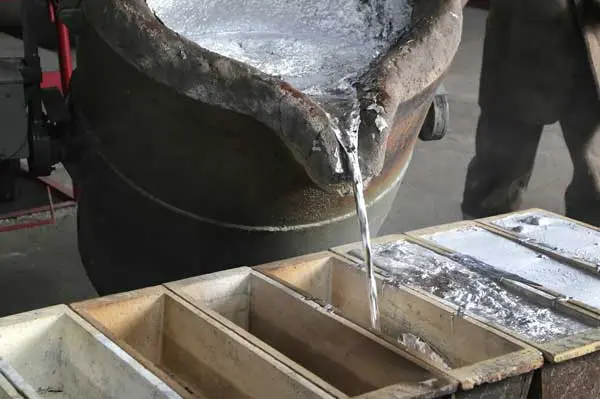
Casting is a great way to create durable metal parts, especially when speed matters. But things do not always go as planned. If the mold is not quite right or if temperatures shift too much during the pour, a part can crack, shrink, or cool unevenly. That might not be obvious until later, once time and money have already gone into it.
Metal casting simulation helps us avoid a lot of those headaches. It lets us run tests on screen before anything is poured. We can see what is likely to go wrong and how the metal will behave ahead of time. That means better decisions, fewer mistakes, and parts that come out closer to the design from the start.
For industries like automotive, where every part has to do its job without fail, that kind of early testing helps us move faster and with more confidence. It is a big part of how we keep quality up and turn more jobs on time.
What Can Go Wrong Without a Good Preview
When a casting job starts without enough prep, it is easy for small mistakes to turn into big delays. A missed vent or a poor angle can throw off the whole process.
- Parts can shrink unevenly or form hairline cracks if the metal cools too fast in one spot but too slowly in another.
- A slightly crooked core or a weak mold wall may collapse or shift during the pour, leaving the part unusable.
- Without good insight into how the setup will play out, changes have to happen late, sometimes after tooling is made or a batch is already started.
Metal casting simulation catches these problems early. It gives us a picture of how every part of the casting will respond to heat, pressure, and time. We get the chance to shift designs, adjust materials, or tweak vents before wasting effort on a mold that will not hold up. That preview keeps surprises down and timelines on track.
How Simulation Helps Prevent Core and Mold Problems
The core is the heart of a casting. If it fails or slips just a little, the entire shape changes. Molds need to hold up to high heat without bending or cracking under pressure. That is a lot to ask if we are just guessing how it will all line up.
Simulation solves part of that guesswork. It lets our engineers test how a core performs before we build it in real life. We can check whether it will shift during the pour or whether a section of mold might buckle under the heat. That kind of planning gives us data to work with, not just templates.
- We test how far cores are spaced, how they are held in place, and what kind of stress they will be under when the metal flows in.
- Weak points are easier to see, which lets us change wall thickness or support structures right in the model.
This type of early insight saves a lot of time. Instead of reworking a mold halfway through the run, we get ahead of it. That makes our casting setups stronger and more reliable from the start.
Keeping Cooling and Solidification on Track
One of the biggest challenges in aluminum casting is managing how the metal cools. If it freezes unevenly, you may get small holes on the inside that are not visible right away. These “shrink pockets” make the part weaker, even if the exterior looks fine.
Simulation plays a big role here too. It shows how the heat will travel through the part, where it will cool first, and which areas might freeze too fast or too slow.
- We use that view to place risers and gates in smarter spots, which guide the metal better and keep flow patterns smooth.
- This helps the casting solidify more evenly, which lowers the risk of internal defects.
When we are not guessing about cooling, we are able to keep more parts out of the scrap pile. The final result is cleaner, stronger, and more likely to meet the job specs the first time.
Faster Orders and Fewer Retakes in Automotive Work
Automotive jobs usually do not move slow. Between product updates, supply changes, and design upgrades, timelines are short and errors hit hard. Each part has to match the specs and hold up under stress, especially near heat or motion.
Metal casting simulation takes a lot of the uncertainty out of these fast-moving builds. By giving us clear visuals ahead of time, it cuts down on trial and error.
- We know which gating setups will feed a part correctly without wasting too many test pours.
- We flag where shrinkage or misalignment might hit before a mold is even made.
With fewer late-stage fixes, production moves along smoother and quality stays high across the full order. That means we can deliver on tighter timelines without giving up consistency, something that matters more as automotive volumes grow.
Confident Parts Before the Pour
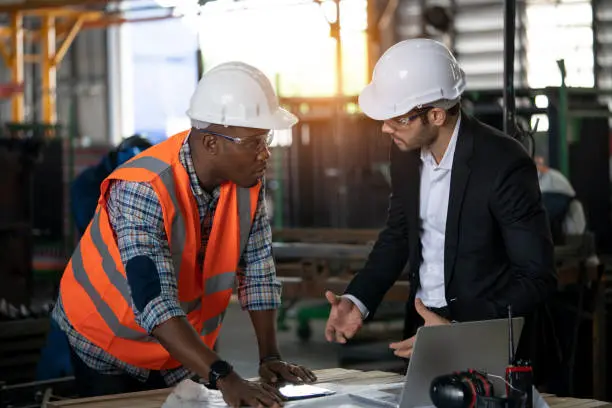
Simulation tools do not just help us. They make it easier for engineers and buyers to feel good about the part they have designed. When we can show how the casting will behave under heat or stress before cutting a mold, there is less second-guessing.
- That early picture helps refine shapes, prevent air pockets, and improve part flow with fewer tries.
- It also helps align expectations on both sides, so no one is surprised when the first parts come off the machine.
In the end, fewer changes happen late in the build. Orders stay on schedule. More parts ship on time. And everyone has more confidence in what is being delivered.
When March gets moving and automotive jobs are lining up for launch, a strong start makes all the difference. Simulation gives us that edge, quietly in the background, keeping little flaws from becoming big problems. At BQC Foundry, we rely on that insight to help make smarter castings, faster and cleaner than trial and error ever could. It is one more way we work to deliver better results, one pour ahead of the problem.
Getting reliable parts the first time starts before the pour ever happens. By building clarity into our designs, we avoid rework and delays that slow everything down later. That is why we use tools like metal casting simulation to make sure things line up just right from the start. It saves time, keeps parts stronger, and helps us stick to tight production schedules without giving up quality. Planning your next run with fewer surprises is easier when you contact BQC Foundry to talk through your goals.