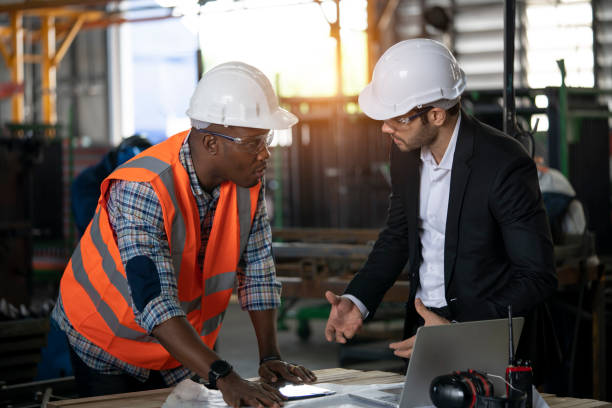
Choosing the Right Metal Casting Supplies for EV Drives
Using the right metal casting supplies helps EV parts stay strong, cool right, and move faster through production without rough surfaces or delays.
Electric vehicle drives aren’t like standard engine systems. They come with their own heat, movement, and space challenges, which means the aluminum parts inside have to work hard without fail. To get there, we need the right metal casting supplies from the start.
Every part of the casting setup matters. Molds, sand, binders, patterns, and tooling all play a role in how strong, smooth, or consistent the end part turns out. When working in electric or hybrid vehicles, small choices early on can affect how well the final part performs, not just once, but over thousands of cycles. That’s why we focus on tools and materials that match the speed, precision, and demands of this growing space.
The parts inside electric vehicles face pressures and stresses that differ from what you’d expect in a traditional gas engine. They tend to be lighter, but that means there’s even less room for error when it comes to the shape and finish of each piece. Getting the supplies right the first time not only helps keep production moving but also gives each EV a better shot at lasting longer out on the road.
What Makes EV Drives Different at the Casting Stage
EV parts often come with thinner walls, tighter shapes, and extra attention to how they handle heat. That’s not just a design choice. It’s part of making these vehicles lighter and more efficient.
With lighter sections, there’s less room for casting mistakes. If the metal doesn’t flow just right, we risk thin spots or cracks. If the cooling isn’t even, we get distortion. EV drives count on clean surfaces that act as heat paths, and every flaw can slow that down.
As automakers push for smaller and lighter parts, those changes lead to thinner cross-sections and tighter design tolerances. These designs often include channels that carry heat away from sensitive areas. If any part of the casting ends up rough or uneven, it can hurt how well those channels work. In EV drives, even the smallest defect can keep the entire system from working as planned.
To keep pace with the sharp specs and fast turnarounds, we rely on metal casting supplies that help us pour clean, fill fast, and hold the shape whether it’s the first part off the line or the thousandth.
Every cycle matters in EV production. Long production runs mean dozens, hundreds, or even thousands of parts must perform exactly the same. If just one batch slips out of spec, it can set back production, leading to costly delays. Careful attention to the metal, sand, and binders helps us keep each run consistent, no matter how many repeats the job requires.
The Role of Tools and Patterns in Getting Parts Right
Long before we pour molten metal, we need patterns that hold their shape and tools that don’t wear out too fast. Those two things set the bar for part quality day in and day out.
- Tooling has to handle fine cuts and stay steady through heat and pressure. If it flexes, detail gets lost and tolerances shift.
- Each pattern works in repeat cycles, so materials that resist wear help avoid changes that slip in over time. We don’t want the tenth part to look different from the hundredth.
- EV parts often bring thin walls and tight features, which means tooling needs to land those exact points again and again without slipping.
We don’t guess here. We look at how long our supplies can last, how they handle pressure, and whether they can stand up to sharp corners and changing heat without warping.
Starting with the right tools also helps with predictability. Quality tooling means we won’t be tweaking every few pours just to stay on target. When making big runs for EV drives, that reliability matters. It saves time, reduces rework, and cuts down on interruptions during fast-paced builds.
Patterns are just as important. A well-made pattern protects small features and helps the finished casting hold its shape even after repeated use. Each time a pattern is used, it faces heat and friction, so the materials chosen must be up to the task. Poor-quality patterns will warp or lose their crispness too fast and may lead to uneven parts. This is especially important for the many connectors, housings, and cooling elements found in electric vehicles, where a small mismatch can hurt assembly or create cooling problems later.
Why Mold Materials Make a Big Difference
When it comes time to form and pour, the mold does more than hold metal. It helps shape the way the metal fills, cools, and finishes.
- Sand needs to be strong enough to carry shape, but soft enough to vent gas and lift clean after.
- We choose sand blends that leave smooth finishes because EV work often needs less roughness to help with performance and reduce extra steps later.
- Binders, additives, and how they respond to moisture or shop temps matter too. If the mix is off, gas can get stuck or the mold can fall apart during pouring.
A good mold matches the job. For EV castings, we look at flow patterns, thickness, and how closely we can hold the shape. We also pay close attention during the cooling phase, since any inconsistency there can lead to warping or gaps.
The right combination of sand, binders, and additives isn’t just about getting a nice finish, it also affects the part’s strength and how it handles thermal stresses over time. Even a perfectly poured casting can fail if the mold lets heat escape too slowly or if the part is difficult to remove without damage.
Problem-solving at this stage means watching how the molten metal behaves once it hits the mold. We need venting to let gases escape; otherwise, unwanted bubbles or pores can show up right where they cause the most trouble. Making fine adjustments to sand blends and binder systems, we aim for molds that hold up for the long haul while also releasing castings clean so there’s less work after.
Another key part is temperature control. If one side of the mold cools too fast or too slow, the casting can twist or get extra hard spots. Careful control over cooling rates helps us keep all parts, even bigger housings or cases, true to spec.
Picking Supplies That Keep Up with Volume
Electric vehicle orders often come fast and in large batches. That means our materials can’t just work once, they have to keep working as the pours keep coming.
- We choose materials that can cycle quickly without breaking down or slowing the process.
- If sand is too soft, it fails early. If tooling wears out fast, it adds delays. Picking the right blend of durability and speed makes a big difference.
- With rising demand, being on time matters. Cutting back on rework, wasted parts, and restarts helps us deliver without letting quality slide.
Supplies that can’t keep pace end up creating bottlenecks. We’re always balancing strength, consistency, and speed so the whole process moves smooth from mold setup to final part.
When builds ramp up, there’s no room for delays in the tooling or materials. Sand that works well over many cycles means less downtime between pours. We’re always checking what’s working on the line and swapping out materials only when it really makes sense. This approach helps avoid unplanned pauses and keeps orders on time.
It’s also important to use tooling and pattern supplies that can withstand repetitive use without wearing out or needing frequent repair. Each slowdown for repairs can set back the whole schedule, which isn’t ideal when customers are waiting for the next big batch. Smart planning and supply choices keep us in the game even as demands go up.
Smarter Choices for Better EV Castings
When all these supplies work together, pattern, mold, tooling, and process, the result is a part that’s strong, smooth, and fits how it should. That’s what EV assemblies need.
Putting thought into every casting supply means fewer delays, fewer repairs, and more stable parts whether they’re going into drives, chargers, or structural housings. These choices don’t just affect appearance, they help the part live a longer, cleaner, and more dependable life in motion. That’s the real goal.
The right approach to picking and using metal casting supplies includes not only looking at immediate quality, but also at how repairs or production slowdowns can be avoided in the future. Consistency is everything in EV castings. Each batch that moves through the line should fit, function, and cool just like the last. Any slip in that chain extends the timeline or causes issues down the road. We also focus on refining our processes each time we handle a new part, making note of which supplies held up best under real production conditions.
Even small shifts in sand blend, pattern material, or binder chemistry can give us better detail or tighter tolerances, so we keep reviewing and adjusting every step. We document what works best and use that information for future runs, making every new round a bit smoother than the last.
Choices we make today about sand, molds, patterns, and tools have ripple effects all the way to assembly and performance. Checking supplies and making sure they’re ready for the stress of repeated runs keeps our system rolling without missed deadlines or setbacks.
At BQC Foundry, we understand how selecting the right materials impacts both quality and production timelines, especially for fast-paced industries like electric vehicles. The choices we make about our tools and materials are key to better results and fewer delays, from mold performance to surface finish. By relying on dependable metal casting supplies, we consistently achieve tighter tolerances and maintain smooth production without unnecessary rework. Let us help you stay on schedule with castings that meet your specifications, reach out to our team today.